

"Nature": Create a precedent! 3D conductive hydrogel
Summary
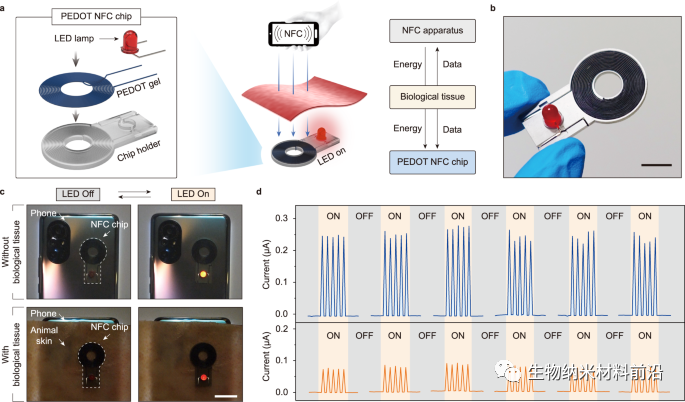
Conductive hydrogels require tunable mechanical properties, high electrical conductivity, and complex 3D structures to achieve advanced functionality in (bio)applications. Here, we design a facile strategy to construct 3D conductive hydrogels via poly(3,4-ethylenedioxythiophene):poly(styrenesulfonic acid) (PEDOT:PSS)-enriched aqueous inks within programmable printing oils. In this liquid-in-liquid printing method, the assembly of PEDOT:PSS colloidal particles from the aqueous phase and polydimethylsiloxane surfactant from the other phase forms an elastic film at the liquid-liquid interface, thereby trapping the hydrogel precursor ink in a designed 3D non-equilibrium shape for subsequent gelation and/or chemical crosslinking. In two interpenetrating hydrogel networks, the conductivity was as high as 301 S m−1 when the content of PEDOT:PSS was as low as 9 mgmL−1. The facile printability allows us to tune the composition and mechanical properties of the hydrogels, thereby facilitating the use of these conductive hydrogels as electro-microfluidic devices and, in the future, customized near-field communication (NFC) implantable biochips.
圖文導(dǎo)讀
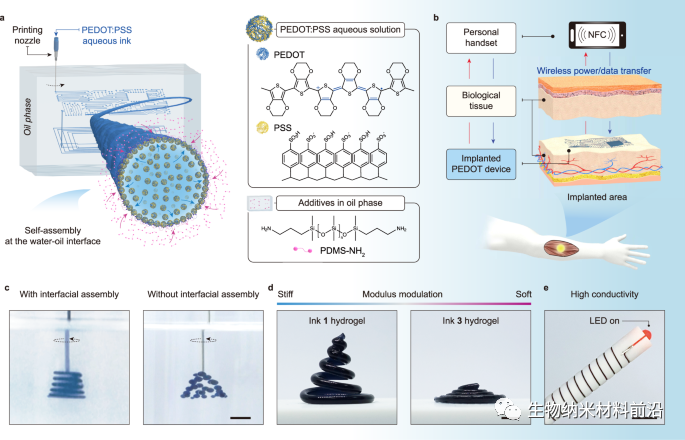 Figure 1: 3D printing of hydrogels with tunable morphology, mechanical properties, and electrical conductivity.
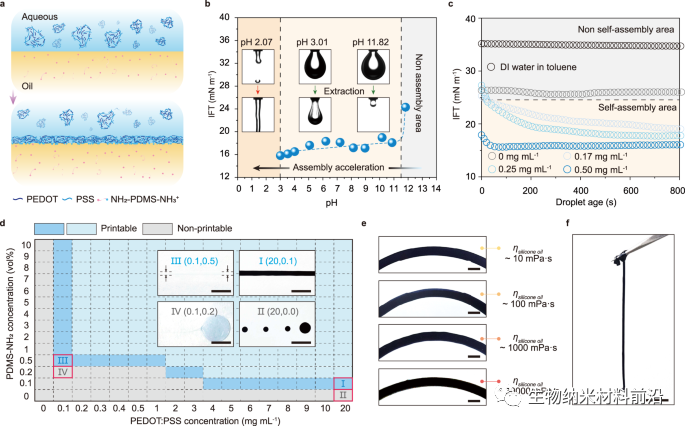 Figure 2: PPS interface assembly for aqueous dispersion of PEDOT:PSS in printing oil.
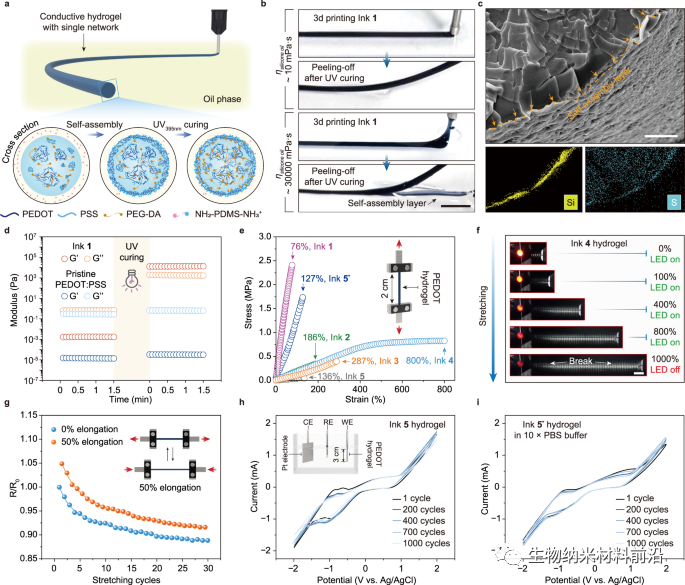 Figure 3: Printed PEDOT hydrogels with chemically crosslinked networks.
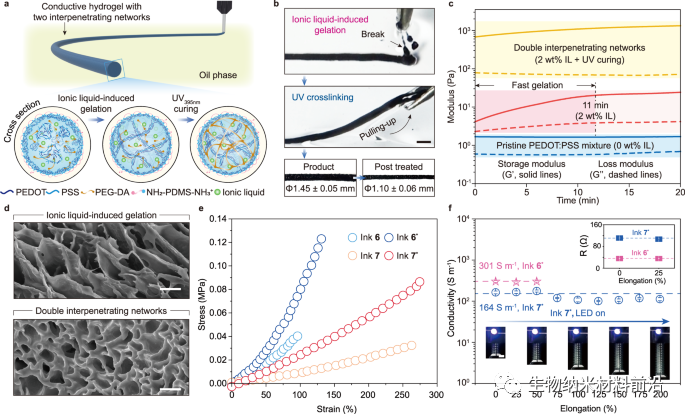 Figure 4: Printed PEDOT hydrogel with two interpenetrating networks.
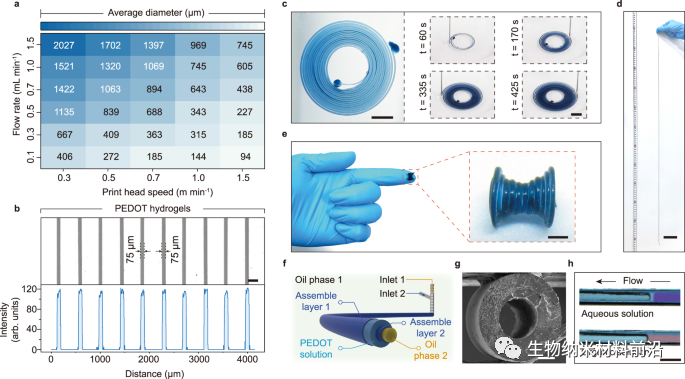
Figure 5: Printing of conductive hydrogels with 3D structures.
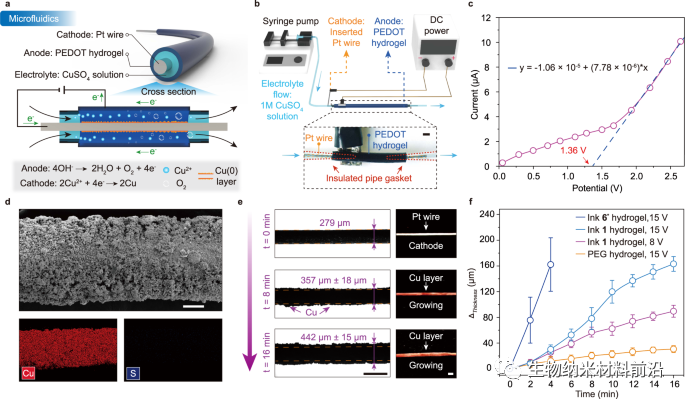 Figure 6: PEDOT conductive hydrogel as an electrochemical microfluidic device.

Highlights of this article
For the first time, three-dimensional conductive hydrogels were prepared using liquid-in-liquid printing technology, which overcomes the limitations of traditional methods in terms of shape control and structural stability.
The mechanical properties and electrical conductivity of the hydrogel can be adjusted, which provides flexibility for different application scenarios.
Potential applications of conductive hydrogels in soft electronics, such as electromicrofluidics and implantable biochips, are demonstrated.
18915694570
Previous: Liposomes: a triple
Next: 《Nature》Biomimetic pro